
Combat engineering evolves with autonomy and robotics
Robotic combat engineering will reduce risk to soldiers in the breach while maintaining or increasing the tempo of movement for maneuver forces.

Robotic combat engineering will reduce risk to soldiers in the breach while maintaining or increasing the tempo of movement for maneuver forces.

“We’re not letting anybody go, we’re not doing any redundancies,” Applied Intuition co-founder Qasar Younis told Breaking Defense. Instead his firm, long focused on unmanned ground vehicles, is eager to add EpiSci’s expertise in aerial drones and unmanned watercraft.


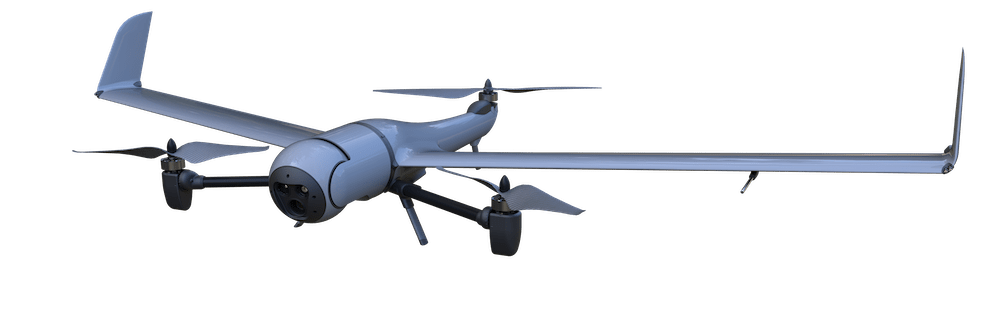
The American-made Teal 2 quadcopter and Edge 130 Blue, a VTOL fixed-wing system, are both on the Defense Innovation Unit’s Blue List for acquisition by U.S. forces.

Sending robotic vehicles into the breach saves lives by removing humans from one of the most dangerous places on the battlefield.

Because it needs much less electricity per computation than current chips, the new hardware could take AI out of big data centers and onto drones, robots, and other small platforms at the “tactical edge.”

Autonomy in the pursuit of interoperability is today’s path for ground robotics.


Cybersecurity skills must evolve in near-real time as Zero Day threats continue and AI provides new challenges.


Developed to increase situational awareness, deliver decisive lethality, and provide tactical options in support of multi-domain operations.

Although the service has awarded contracts to wind down leader-follower development and give the experimental trucks back to soldiers, a separate office has launched a prototyping competition.

Last week, 33 nations called for a global treaty restricting “lethal autonomous weapons.” But US officials warn that such a ban would be both premature and overly narrow, preferring broader but non-binding “best practices” guiding any military employment of AI.

The revised DoD Directive 3000.09 refines an obscure review process, adding broad AI ethics principles but still not actually forbidding development or deployment of would-be killer robots.


Consolidate network monitoring, performance management, and fault isolation into a single, comprehensive solution.

Experimental Robotic Combat Vehicles and virtual designs for Optionally Manned Fighting Vehicles are exploring bold new possibilities.

The combined company will offer a wide range of unmanned vehicles (mostly small ones) for air, land, sea, and underwater, said exec Roger Wells.

Russia has big ambitions for unmanned systems, said CNA scholar Sam Bendett, but it faces the same technical hurdles as the US — and shares the same concerns about human control.

Five small businesses won SBIR Phase II awards to build robotic arms to handle shells, software to manage ammo inventory, and other prototype technologies.